
Flowers That Bloom Throughout the Year
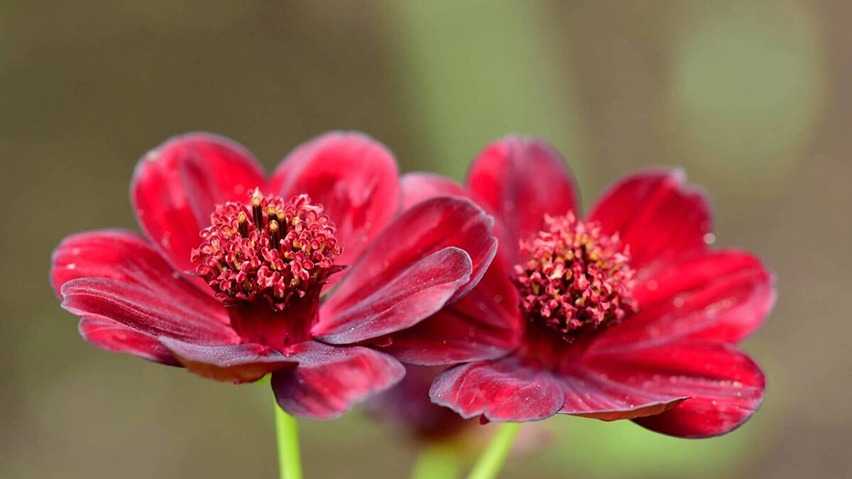
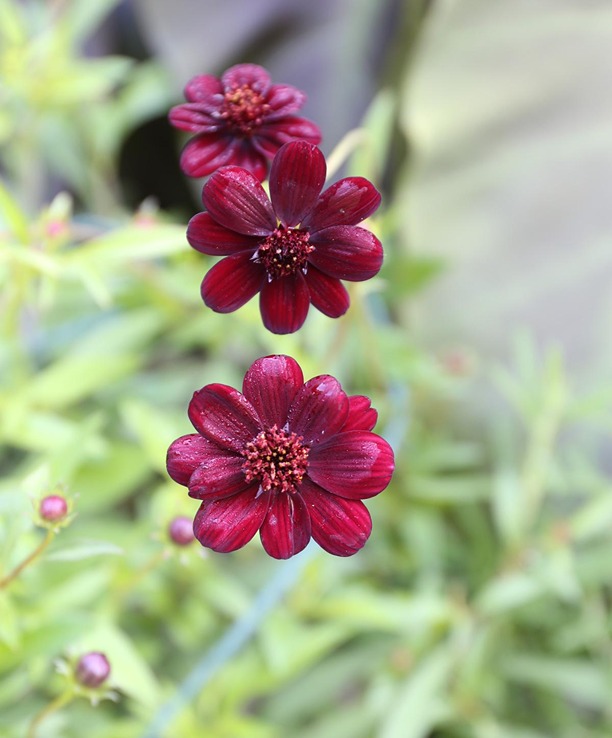
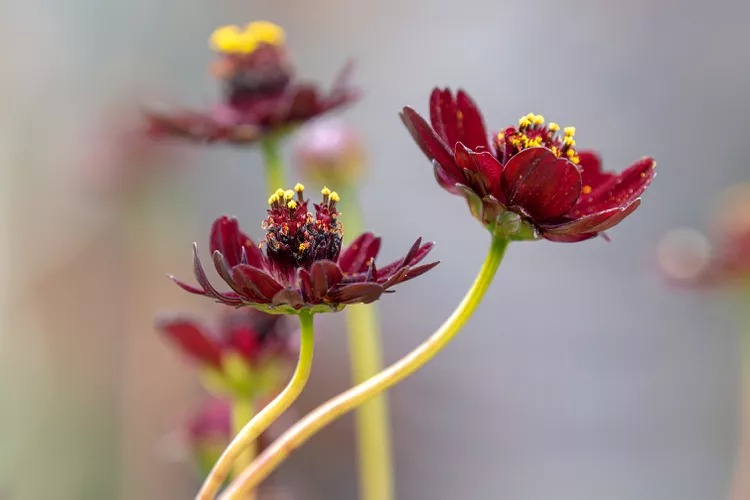
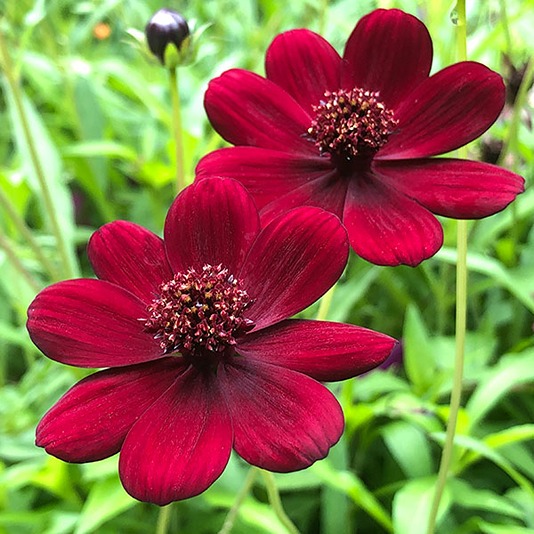
Discover the secrets of successful chocolate cosmos cultivation as we walk you through step-by-step instructions on how to grow and care for these stunning flowers. The chocolate cosmos flower is a captivating choice for any avid gardener. Its distinct characteristics include deep maroon petals that are velvety and rounded, complemented by dark brown centers. One of its most remarkable features is its delightful scent reminiscent of chocolate and vanilla. While chocolate cosmos (Cosmos atrosanguineus) is similar to regular cosmos (Cosmos bipinnatus), its blooms are slightly smaller, measuring approximately one and a half inches in diameter. These flowers have the potential to reach a height of up to 30 inches.

To thrive, chocolate cosmos prefer warm temperatures and thrive best when planted in areas with full sun exposure. They also prefer slightly acidic soil conditions. It’s worth noting that chocolate cosmos are sensitive to frost and cannot survive temperatures below freezing. In fact, they struggle to thrive when exposed to temperatures below 50 degrees Fahrenheit. Learn how to grow and care for chocolate cosmos with our comprehensive guide, covering everything from planting and watering to pruning and pest management.
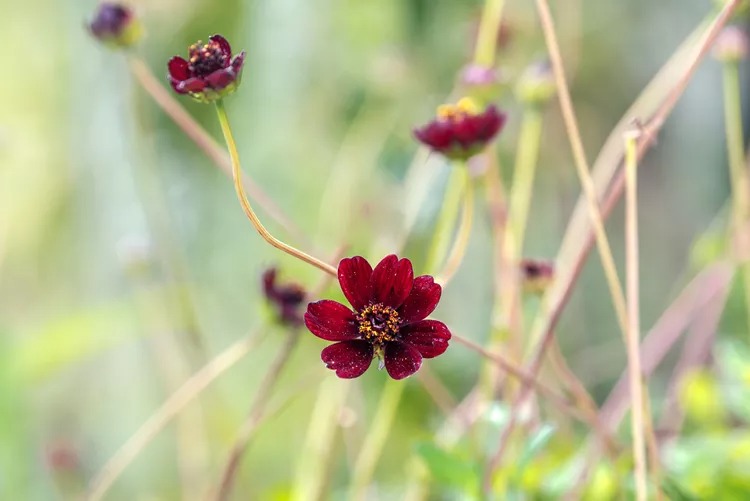
How to Grow and Care for Chocolate Cosmos
When it comes to caring for chocolate cosmos, there are several essential requirements to keep in mind:
- Ensure the plant receives an ample amount of direct sunlight, ideally six to eight hours per day.
- Choose a planting location with fertile, well-draining soil that is slightly acidic. Alternatively, chocolate cosmos can be grown in containers.
- Although chocolate cosmos can tolerate drought conditions, it is important to water them deeply at least once a week. Allow the soil to dry out between waterings to prevent overwatering.
- It is crucial to note that chocolate cosmos are not frost-tolerant and cannot withstand temperatures below 50 degrees Fahrenheit. Make sure to protect them from freezing conditions.
- During the spring season, it is recommended to fertilize the chocolate cosmos with rose fertilizer to promote healthy growth and blooming.
Light
Similar to regular cosmos, chocolate cosmos thrives when exposed to at least six hours of direct sunlight each day. This ensures optimal growth and development.
Soil
To cultivate flourishing chocolate cosmos, it is vital to provide them with well-drained and fertile soil. When growing them in containers, a suitable mixture of potting soil and topsoil is recommended to achieve favorable outcomes. Additionally, incorporating pebbles at the bottom of the container aids in maintaining proper drainage, which is crucial for the plants’ health.
Water
Excessive watering can lead to root rot in chocolate cosmos, so it is important to exercise caution and avoid overwatering. Unless there is substantial rainfall, it is generally sufficient to deeply water the plants once per week during the summer season. Allowing the soil to slightly dry out between waterings helps prevent waterlogging and promotes healthier growth.
Temperature and Humidity
Chocolate cosmos should not be planted until the risk of frost has completely passed, as they are sensitive to freezing temperatures. While they can tolerate humidity, it is important to ensure that the soil remains moist rather than excessively wet. Overwatering can lead to root rot, so it’s crucial to strike a balance. In terms of hardiness, they are considered perennials in Zones 9 and above. However, by providing heavy mulching and winter protection, there is a possibility of successfully growing them as perennials in Zones 7 and 8.
Fertilizer
It is important to avoid excessive fertilization, as this can result in an abundance of foliage growth rather than an optimal bloom production for chocolate cosmos. However, applying a small amount of rose food in the spring season can aid these flowers in achieving and maintaining their vibrant color throughout the autumn season. This balanced approach to fertilization ensures the best results for the plant’s overall health and flowering potential.
Varieties of Chocolate Cosmos
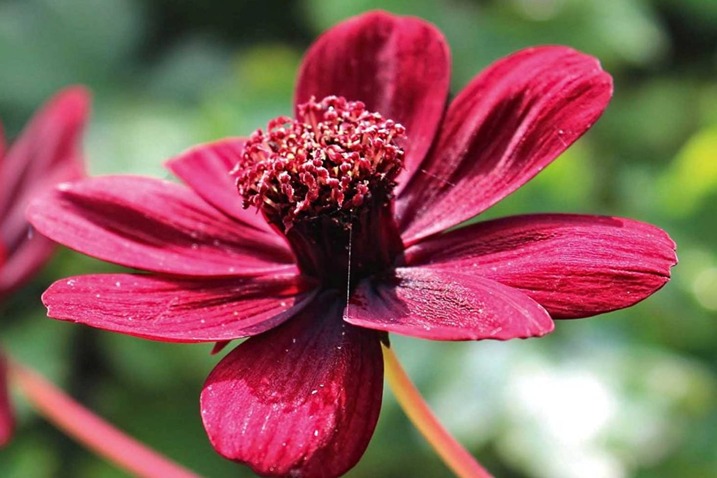
The chocolate cosmos, renowned for its velvety red petals, carries a symbolic representation of deep love, strong bonds, or perfect harmony. It made its commercial debut in 1885 through a seed catalog in the United Kingdom, becoming a highly sought-after flower.
While originally native to Mexico, rumors circulated about the extinction of chocolate cosmos in the wild for several decades. However, in the early 21st century, it was rediscovered in old oak and pine forests. In recent years, Europe has witnessed the introduction of several new cultivars, each with its own distinctive name. Examples include ‘Dark Secret,’ ‘Eclipse,’ and ‘Spellbound.’
One of the initial locally released cultivars was ‘Pinot Noir’ of Cosmos atrosanguineus, introduced by Russell Poulter in New Zealand back in 1996. This particular cultivar boasted small flowers. Another notable cultivar is ‘Choca Mocha’ or ‘Chocamocha,’ a dwarf variant standing at approximately 12 inches tall, which is available from Proven Winners or Burpee.
Among the range of options, Jelitto Perennial Seeds offers ‘Black Magic’ cultivar of Cosmos atrosanguineus. This cultivar comes in different variations, including large or small flowers, heights ranging from 12 to 24 inches, rounded or notched rays, broad or narrow rays, and various shades of dark red. Additionally, it emits a delightful chocolate-vanilla fragrance.
Pruning
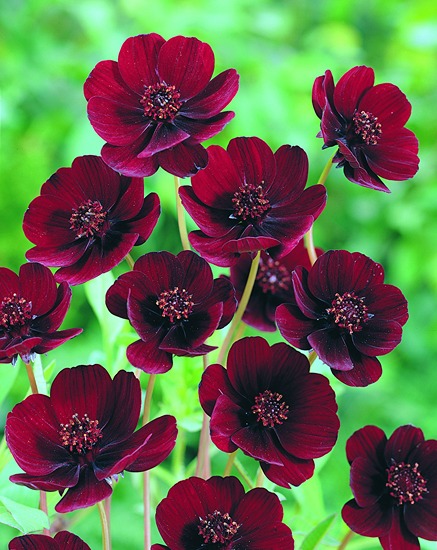
To enhance flower production and promote healthy branching, it is recommended to pinch young chocolate cosmos plants when they reach a height of 8 inches. This entails using your thumb and finger to remove the top portion of each growing stem just above the next set of leaves. This practice stimulates growth and encourages the development of more blooms.
After the initial round of flowering concludes, it is beneficial to cut back cosmos flowers to a height of 12 to 18 inches. This process promotes new growth and has the potential to yield additional blooms.
For those residing in USDA hardiness zones 9 to 11, it is advisable to cut the chocolate cosmos plants back to the ground during late fall, once the foliage has yellowed. However, in regions with lower zones than 9, it is necessary to remove the entire plant since the roots cannot survive the winter conditions.
Propagating Chocolate Cosmos
If you currently have chocolate cosmos plants, it’s important to note that the seeds they produce are sterile. Consequently, you cannot rely on reseeding or harvesting seeds to grow new plants. However, you can obtain fertile seeds from seed distributors, ensuring a viable source for propagation.
Another method of propagating chocolate cosmos is by dividing their tuberous roots or purchasing bare root tubers. The process of handling these roots is similar to that of dahlias. Below are the steps for dividing tubers during spring or autumn:
- Gather the necessary materials, including a new growing container, high-quality potting soil with good drainage, a transparent plastic or glass cover, and tuberous root sections with at least two “eyes” or new growth buds.
- If you have a tuber with multiple sets of eyes, you can cut it into pieces. To protect against viruses, bacteria, or fungus, lightly dust the cuts with horticultural charcoal powder. Each divided piece has the potential to grow into a new plant.
- Plant the tubers approximately an inch below the surface of moistened soil in the new growing container.
- Cover the container’s top with a clear plastic bag or wrap to create a greenhouse-like environment. Place it in a bright and warm location, maintaining temperatures between 70 and 75 degrees Fahrenheit. Once you observe signs of growth, remove the covering.
- Once outdoor temperatures consistently exceed 70 degrees Fahrenheit, you can transplant the propagated plants into the desired outdoor location.
Growing Chocolate Cosmos from Seed
To successfully grow chocolate cosmos from seed, it is advisable to obtain specially cultivated seeds from reputable nurseries or seed distribution outlets. These seeds are more reliable since the seeds produced by the plants themselves tend to be sterile. Follow the steps below to start the seeds and cultivate healthy plants:
Indoor Seed Starting (Early March):
- Begin by starting the seeds indoors in early March. This timing allows the seeds to sprout and be ready for outdoor transplantation by early May when the risk of frost has passed.
- Choose a location with full sun exposure for your chocolate cosmos plants.
- Prepare the soil by turning it to a depth of around 8 inches. Incorporate compost into the soil to provide a nutritious foundation for the seedlings.
- Sow the seeds about 1/4 inch deep into the soil, spacing them approximately 4 inches apart.
- Water the soil, ensuring it remains evenly moist throughout the germination process.
- Germination typically occurs within a span of seven to ten days.
Direct Sowing Outdoors (Early May):
- Alternatively, you can opt for direct sowing outdoors in early May, once the threat of frost has subsided.
- Select a sunny location for your chocolate cosmos plants.
- Prepare the soil by turning it to a depth of about 8 inches.
- Amend the soil with compost to provide a favorable environment for the seedlings.
- Sow the seeds about 1/4 inch deep into the soil, with a spacing of approximately 4 inches between each seed.
- Keep the soil consistently moist by watering it regularly.

Potting and Repotting Chocolate Cosmos
Chocolate cosmos can thrive when planted in containers, making them suitable for potting. Adequate drainage is crucial for the successful growth of chocolate cosmos plants. When potting or repotting, it is important to consider the following guidelines:
Well-Draining Soil and Ample Drainage Holes:
- Use well-draining soil when planting chocolate cosmos seeds or tubers in containers.
- Select pots or containers that have ample drainage holes to allow excess water to escape.
Enhancing Drainage with Rocks:
- To facilitate proper drainage, consider placing small or medium-sized rocks at the bottom of the container. This ensures that water has a clear path to drain out.
- Chocolate cosmos plants do not thrive in overly wet soil. Therefore, porous clay or terra cotta pots are advantageous as they can help wick away excess moisture from the soil.
Overwintering
The approach to overwintering chocolate cosmos depends on the climate conditions:
Colder Climates (Annual Growth):
- In colder climates, where chocolate cosmos are grown as annuals, the roots can be dug up in autumn and stored for the winter, similar to other root annuals such as cannas or dahlias.
- Store the tubers in a cool and dry location during the winter months.
Container-Grown Plants:
- If chocolate cosmos is grown in containers, once the plants enter dormancy, trim the stems down to the base.
- Move the container to a frost-free basement or garage for overwintering.
- Once the threat of frost has passed and temperatures begin to warm up (around 50°F), gradually reintroduce the container outdoors to allow for regrowth.
Warmer Climates (Perennial Growth):
- In warmer climates where chocolate cosmos grow as perennials, cut the plants down to the base.
- Apply a generous layer of natural mulch to protect the roots during winter.
Common Pests and Plant Diseases
Chocolate cosmos may encounter various pests and diseases that can affect their health and vigor. Here are some of the common issues to be aware of:
Powdery Mildew:
- Powdery mildew is a fungal disease that can affect chocolate cosmos.
- To prevent powdery mildew, it is crucial to provide sufficient space between plants and promote good airflow. This helps to reduce humidity around the plants and minimize the risk of fungal infection.
Stem Canker:
- Stem canker is a condition where the stems of the chocolate cosmos develop cankers or lesions.
- Regularly inspect the stems for any signs of canker and promptly remove affected parts to prevent the spread of the disease. Dispose of the infected plant material properly.
Rhizoctonia Stem Rot:
- Rhizoctonia stem rot is a fungal disease that causes rotting of the stems near the soil line.
- Ensure proper drainage and avoid overwatering to minimize the risk of this disease. Additionally, practicing crop rotation can help prevent the buildup of fungal pathogens in the soil.
Gray Mold (Botrytis):
- Gray mold, caused by the fungus Botrytis, can affect chocolate cosmos, leading to grayish fuzzy patches on the flowers and foliage.
- To prevent gray mold, ensure good airflow and avoid overhead watering, as excessive moisture can promote fungal growth. Remove any infected plant material to prevent further spread.
Aphids:
- Aphids are common pests that can infest chocolate cosmos, sucking sap from the plant and causing distortion and discoloration of leaves.
- Regularly inspect the plants for aphids and employ natural or chemical control methods as necessary. These can include manually removing the pests, using insecticidal soaps, or introducing beneficial insects that prey on aphids.
Explore More

16 Apr
Landscape and Garden
Envisage Scapes
Impressive Desert Landscaping Concepts

30 May
Landscape and Garden
Envisage Scapes
Best 20 Plants for Vertical Garden

1 May
Interior Design
Envisage Scapes
Spring Decor Ideas in Cheerful Ways

23 Apr
Interior Design
Envisage Scapes